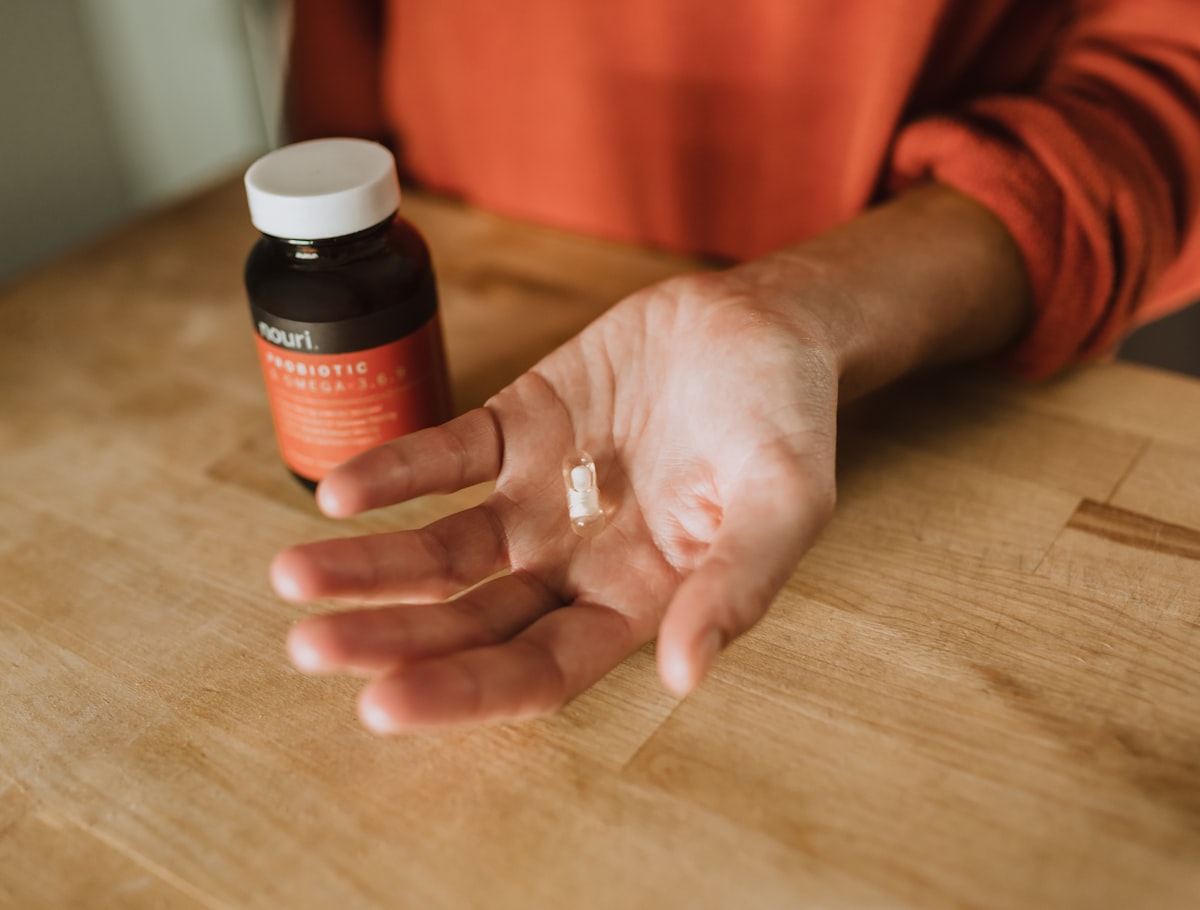
If you have searched “perimenopause supplements” online, you have been targeted. Not in a sinister way, necessarily, but in the way that a $60 billion supplement industry targets anyone with a problem they are desperate to solve. The marketing is polished, the testimonials are compelling, and the language carefully walks the line between medical claim and plausible deniability. “Supports hormonal balance.” “Promotes healthy estrogen metabolism.” “Women are raving about this.”
This article is not here to tell you that all supplements are useless. Some have genuine, if modest, evidence behind them. But it is here to give you the tools to evaluate that evidence honestly, because the supplement industry has financial incentives to overstate what the research shows, and women in perimenopause deserve better than marketing dressed up as medical advice.
Our companion article covers what works and what doesn’t among perimenopause supplements. This piece asks the harder question: when you strip away the marketing, what does the science actually say?
The Supplement Industry and Perimenopause Marketing
Before looking at individual supplements, it is worth understanding the landscape you are navigating. Dietary supplements in the United States are regulated under the Dietary Supplement Health and Education Act of 1994 (DSHEA), which means they do not have to prove they work before being sold. The North American Menopause Society emphasizes this distinction when evaluating supplement claims for menopausal symptoms. They do not require FDA approval. They do not need to demonstrate safety or efficacy through clinical trials. The manufacturer is responsible for ensuring safety, and the FDA can only take action after a product is on the market and shown to be harmful.
This is fundamentally different from how prescription medications are regulated. Prescription drugs go through FDA review for safety and effectiveness before they reach the market. (Some prescriptions used for hot flashes, like gabapentin, are used off-label, meaning the FDA approved them for something else.) When you buy a “menopause support” supplement, none of that is required.
This does not mean supplements are automatically ineffective. It means the burden of proof falls on you, the consumer, to evaluate whether there is credible evidence behind the claims. That is an unfair burden, but it is the reality of the current regulatory framework. Understanding this context is essential before evaluating any specific supplement.
What “Evidence-Based” Actually Means
The phrase “evidence-based” has become so overused in supplement marketing that it has nearly lost its meaning. A company can cite a single test-tube study, call their product “evidence-based,” and be technically accurate, even though that level of evidence tells us almost nothing about whether a supplement will help a real person with real symptoms.
Here is a simplified hierarchy of evidence, from weakest to strongest:
- In vitro (test-tube) studies: Show that a compound does something interesting in a lab dish. This is the very earliest stage of investigation and tells us nothing about what happens in the human body.
- Animal studies: Show effects in mice or rats. Useful for generating hypotheses but often fail to translate to humans. Many compounds that work beautifully in mice do nothing in people.
- Observational studies: Show associations between supplement use and outcomes in populations. These cannot prove causation. Women who take supplements may differ from women who do not in many ways that affect health outcomes.
- Small clinical trials: Controlled studies in humans, typically with 20 to 100 participants. These provide real evidence but are often too small to detect modest effects reliably, and they are prone to bias, especially when not blinded or placebo-controlled.
- Large randomized controlled trials (RCTs): The gold standard. Hundreds or thousands of participants randomly assigned to receive either the treatment or a placebo, with neither participants nor researchers knowing who got what. These are expensive, which is why supplement companies rarely fund them.
- Systematic reviews and meta-analyses: Combine results from multiple RCTs to get a clearer picture. The most reliable form of evidence available.
When evaluating any supplement claim, ask: what level of evidence supports this? You will find that most perimenopause supplements fall into the small trial category at best, with many relying primarily on traditional use and animal data.
Track your symptoms. See the pattern.
Our printable six-month Perimenopause Symptom Tracker helps you log what you’re experiencing, spot patterns, and see what’s connected to what.
Free PDF, sent to your inbox. You’ll also get occasional emails from us. Unsubscribe anytime.
Magnesium: The Strongest Evidence Profile
Of all the supplements commonly recommended for perimenopause, magnesium has the most robust overall evidence base, though there is an important caveat: most of the evidence is for specific health outcomes rather than for perimenopause symptoms specifically.
Magnesium is an essential mineral involved in over 300 enzymatic reactions in the body, including those affecting muscle function, nerve signaling, blood pressure regulation, and sleep. Many adults do not get adequate magnesium from their diets, and suboptimal levels become more common with age. This makes magnesium somewhat unusual in the supplement world because the case for it rests partly on addressing a genuine nutritional gap rather than on treating a hormonal condition.
The evidence for magnesium and sleep is moderate and consistent. Some studies suggest that magnesium supplementation may improve subjective sleep quality, particularly in people with low baseline magnesium levels. For perimenopausal women who are struggling with sleep (and that is a very large group), this benefit is relevant and practical. Magnesium glycinate and magnesium threonate are the forms most commonly recommended for sleep, as they are better absorbed and less likely to cause digestive issues than magnesium oxide.
For mood and anxiety, the evidence is weak or mixed. A 2017 systematic review in Nutrients found a positive association between magnesium intake and reduced anxiety, though the studies were heterogeneous and many were small.
For hot flashes, the evidence is limited. A small pilot study in breast cancer survivors showed some reduction in hot flash frequency with magnesium supplementation, but this has not been replicated in large trials. It would not be accurate to describe magnesium as an evidence-based treatment for hot flashes.
Magnesium is generally well tolerated when supplemental intake stays at or below 350 mg a day, the upper limit for adults set by the NIH Office of Dietary Supplements. Higher doses can cause diarrhea, especially with magnesium citrate or oxide forms. It is one of the few supplements where the risk-to-benefit ratio is favorable enough that many clinicians are comfortable recommending it, particularly for women with sleep concerns.
Black Cohosh: Mixed but Some Positive Data
Black cohosh (Actaea racemosa) is the most extensively studied herbal supplement for menopausal symptoms. It has been used in Europe for decades and is approved in Germany for the treatment of menopausal complaints. But the research picture is genuinely mixed, and honest reporting requires acknowledging both the positive and negative findings.
Several randomized controlled trials have found that black cohosh reduces the frequency and severity of hot flashes compared to placebo. The best-studied formulation is a standardized extract called Remifemin, which has been the subject of multiple trials. Some of these trials showed meaningful reductions in vasomotor symptoms, with effects appearing within four to eight weeks.
However, other well-designed trials have found no significant benefit. The most notable negative study was a large NIH-funded trial published in the Annals of Internal Medicine in 2006, which found that black cohosh (both alone and in combination with other botanicals) was no more effective than placebo for hot flashes over 12 months. A 2012 Cochrane systematic review concluded that there was insufficient evidence to support the use of black cohosh for menopausal symptoms.
How do we reconcile these conflicting findings? Part of the answer may lie in differences in formulation, dosing, and the specific extract used. Not all black cohosh products are equivalent, and the lack of standardization across studies and across commercial products makes it difficult to draw firm conclusions. It is possible that specific standardized extracts (like Remifemin) are more effective than generic black cohosh supplements, but this has not been conclusively demonstrated.
Safety considerations include rare reports of liver injury, and women with liver disease should avoid it. The Menopause Society does not recommend black cohosh for hot flashes. For a broader overview of perimenopause, see Mayo Clinic's guidance on perimenopause management.
Ashwagandha: Promising but Limited
Ashwagandha (Withania somnifera) is an adaptogenic herb from Ayurvedic medicine that has gained enormous popularity in recent years. It is marketed for stress, anxiety, sleep, energy, and hormonal balance, and its use among perimenopausal women has increased substantially.
The evidence for ashwagandha and stress/anxiety is moderate and generally positive. A 2021 systematic review and meta-analysis in the Journal of Alternative and Complementary Medicine found that ashwagandha supplementation significantly reduced stress and anxiety scores compared to placebo across multiple trials. The adaptogenic mechanism appears to involve modulation of the hypothalamic-pituitary-adrenal (HPA) axis and cortisol regulation.
For perimenopause specifically, the evidence is limited. A 2024 randomized controlled trial published in Phytotherapy Research examined ashwagandha root extract in perimenopausal women and found improvements in overall quality of life, including reductions in hot flashes, mood symptoms, and sleep problems. This is a promising finding, but it is a single trial, and replication in larger studies is needed before drawing strong conclusions.
For sleep, there is some evidence from small trials suggesting that ashwagandha may help people fall asleep faster and improve sleep quality, though it is not a treatment for insomnia. The KSM-66 and Sensoril extracts are the most studied formulations.
Ashwagandha is generally well tolerated at standard doses (300 to 600 mg per day of root extract). Rare side effects include gastrointestinal discomfort and drowsiness. Thyroid effects have been reported, so women with thyroid conditions should use caution and discuss with their clinician.
Maca Root: Traditional Use vs. Clinical Evidence
Maca (Lepidium meyenii) is a root vegetable from the Peruvian Andes with a long history of traditional use for energy, fertility, and sexual function. It has been adopted enthusiastically by the perimenopause supplement market, with claims about hormonal balance, libido, and energy.
The clinical evidence is thin. A small number of studies, mostly conducted in Peru with small sample sizes, have investigated maca for menopausal symptoms. A 2011 systematic review in Maturitas identified four trials and concluded that there was limited evidence suggesting maca may have favorable effects on menopausal symptoms, but the evidence was insufficient to draw firm conclusions due to small sample sizes, short durations, and methodological limitations.
A couple of small trials have shown modest improvements in sexual function and mood in menopausal women taking maca. However, these trials had significant limitations, including short durations, small numbers of participants, and possible bias. The effects on hot flashes were inconsistent across studies.
Maca is generally considered safe as a food supplement. It does not appear to have direct hormonal activity, which is actually a point in its favor from a safety standpoint but also weakens the theoretical rationale for its use in hormonal symptom management. For a woman looking for evidence-based relief, maca is not where the strongest data points.
Vitex (Chasteberry): The Progesterone Question
Vitex agnus-castus, commonly called chasteberry, has a long history of use for menstrual irregularities and premenstrual syndrome. It is increasingly marketed for perimenopause, typically with claims about supporting progesterone levels or promoting hormonal balance. These claims deserve scrutiny.
Vitex appears to work by acting on dopamine receptors in the pituitary gland, which reduces prolactin secretion. This mechanism may explain its benefits for PMS and luteal phase deficiency, where the evidence is moderate. Several randomized controlled trials have shown that vitex can reduce PMS symptoms, including breast tenderness, irritability, and mood changes.
The claim that vitex “increases progesterone” is more nuanced than the marketing suggests. Vitex does not directly increase progesterone production. What it may do, through its effect on the pituitary, is support the conditions under which the ovary produces progesterone during the luteal phase. In perimenopause, however, the problem is not primarily pituitary. The fundamental issue is that the ovaries are running out of follicles and becoming less responsive to pituitary signals. Whether vitex can meaningfully influence this process has not been adequately studied.
For menopausal hot flashes specifically, there is very little evidence. Most of the positive research on vitex pertains to menstrual regularity and PMS in younger women, not to vasomotor or mood symptoms in perimenopause.
Vitex is generally well tolerated but should be avoided by women taking dopamine agonists or antagonists, and it should not be used alongside hormonal contraceptives or HRT without clinical guidance.
Red Clover and Soy Isoflavones: The Phytoestrogen Debate
Phytoestrogens are plant-derived compounds that can bind to estrogen receptors in the body, exerting weak estrogenic effects. The two most studied phytoestrogen supplements for menopausal symptoms are soy isoflavones (primarily genistein and daidzein) and red clover isoflavones (primarily biochanin A and formononetin). They represent one of the most debated areas in menopausal supplement research.
The evidence for soy isoflavones is moderate but inconsistent. A 2012 Cochrane review of 43 randomized controlled trials found that phytoestrogen supplements were associated with a reduction in hot flash frequency and severity compared to placebo, but the effect was modest and the evidence quality was low to moderate. A more recent meta-analysis published in JAMA in 2023 found a statistically significant but clinically modest reduction in hot flash frequency with soy isoflavone supplementation, on the order of one to two fewer hot flashes per day compared to placebo.
One important complication is the concept of “equol producers.” Some people can convert soy isoflavones into equol, a metabolite with stronger estrogenic activity, while others cannot. Approximately 30 to 50 percent of Western populations are equol producers, compared to 50 to 60 percent of Asian populations. This may partly explain why soy appears to be more effective in some studies (and in some populations) than in others.
Red clover has been studied in fewer trials. The evidence is weaker than for soy, with some trials showing modest benefit and others showing no significant effect. A 2007 meta-analysis found no significant effect of red clover isoflavones on hot flash frequency.
Safety is a consideration with phytoestrogens, particularly for women with hormone-sensitive conditions. Because these compounds interact with estrogen receptors, their use in breast cancer survivors is debated. Most clinical guidelines advise caution, and women with a history of estrogen-receptor-positive breast cancer should discuss phytoestrogen use with their oncologist.
Vitamin D and Calcium: Essential but Not a Perimenopause Treatment
Vitamin D and calcium are frequently included in perimenopause supplement stacks, and they are important, but it is critical to understand what they do and do not do.
Vitamin D is essential for calcium absorption, bone health, and immune function. Deficiency is common, particularly in women over 40, those living at northern latitudes, and those with darker skin. Getting enough vitamin D is widely recommended, regardless of perimenopause status. The Endocrine Society’s 2024 guideline recommends against routine vitamin D blood testing for most healthy adults under 75 and does not set a target blood level.
Calcium is critical for maintaining bone density, which becomes especially important during and after the menopausal transition, when the decline in estrogen accelerates bone loss. The recommended daily intake is 1,000 to 1,200 mg per day, ideally from dietary sources, with supplementation to fill any gap.
Here is what vitamin D and calcium do not do: they do not reduce hot flashes, improve mood symptoms, address brain fog, or relieve sleep disruption beyond what correcting a deficiency might accomplish. They are essential nutrients that protect bone health during a vulnerable period, and they should be part of every perimenopause health plan. But they are not treatments for perimenopause symptoms, and marketing them as such is misleading.
If you are taking vitamin D, take it with a fat-containing meal for better absorption. If you are relying on calcium supplements rather than dietary calcium, take no more than 500 mg at a time, as absorption decreases at higher single doses.
The Honest Bottom Line: Supplements as Complementary, Not Replacement
After reviewing the evidence for the most popular perimenopause supplements, here is the picture that emerges:
- Magnesium has the most favorable evidence profile, mainly for sleep quality. Evidence for anxiety is weak or mixed, and it is not a treatment for hot flashes.
- Black cohosh has inconsistent evidence for hot flashes, The Menopause Society does not recommend it, and there are rare reports of liver injury.
- Ashwagandha has promising but limited evidence for stress, anxiety, and possibly perimenopause quality of life. More research is needed.
- Soy isoflavones have moderate evidence for a modest reduction in hot flashes, with effectiveness possibly depending on individual metabolism.
- Maca root has limited evidence from small studies. Traditional use is extensive but clinical data is insufficient.
- Vitex has better evidence for PMS than for perimenopause symptoms specifically.
- Red clover has weak and inconsistent evidence.
- Vitamin D and calcium are essential for bone health but are not perimenopause symptom treatments.
None of these supplements approaches the efficacy of hormone therapy for hot flashes (which reduces them by 75 to 90 percent) or even the efficacy of non-hormonal prescription medications like fezolinetant or gabapentin (which reduce them by 45 to 70 percent). The most effective supplements in the best studies show reductions in the range of 20 to 40 percent for hot flash frequency, with significant variability between individuals.
This does not mean supplements are worthless. For women with mild symptoms, for those who want to try the least invasive option first, or for those using supplements alongside other treatments, the modest benefits of certain supplements may be clinically meaningful. The problem arises when supplements are used as a replacement for proven treatments in women with moderate to severe symptoms, or when the supplement industry’s marketing creates unrealistic expectations about what these products can achieve.
Supplements occupy a legitimate place in perimenopause management: as a complement to, not a substitute for, evidence-based treatments. They work best when layered with lifestyle changes like exercise, nutrition, and sleep hygiene. Use them with realistic expectations, tell your clinician what you are taking (especially because supplements can interact with medications), and do not let them delay you from seeking more effective help if your symptoms are significantly affecting your quality of life.
Red Flags in Supplement Marketing
Because the supplement industry is lightly regulated, protecting yourself requires some critical thinking skills. Here are warning signs that a perimenopause supplement product is relying more on marketing than on science:
- “Clinically proven” without citing specific trials: Ask which clinical trials, with how many participants, published in which journals. If the company cannot or will not provide this information, the claim is empty.
- Proprietary blends that hide doses: “Proprietary blend” is legal language that allows companies to list ingredients without disclosing how much of each is included. If you do not know the dose, you cannot evaluate whether it matches the dose used in any research.
- Before-and-after testimonials as primary evidence: Individual testimonials prove nothing about whether a supplement works. The placebo response in menopause studies is typically 25 to 30 percent, meaning roughly one in four women will report improvement even on a sugar pill.
- “Hormone balancing” or “hormone support” language: These are marketing terms, not medical ones. Perimenopause is driven by ovarian aging, and no supplement can reverse that process. Products that claim to “balance your hormones naturally” are making an implicit promise they cannot keep.
- Doctor endorsements from practitioners who sell the product: If the doctor recommending the supplement also profits from its sale, there is a conflict of interest. Independent endorsements carry more weight.
- Excessive pricing: Supplements that cost $70 to $100 per month are not necessarily better than those that cost $15 to $20. You are often paying for branding and marketing, not for higher quality ingredients.
- Claims that seem too good to be true: If a supplement claims to eliminate hot flashes, restore your energy, fix your sleep, boost your libido, and clear your brain fog, it is making promises that no single treatment, including prescription medications, can reliably deliver.
A Note About Placebo
The placebo response in menopause research is substantial. In most clinical trials of hot flash treatments, women receiving placebo report a 25 to 30 percent reduction in symptoms. This means that any supplement that shows a 20 to 30 percent improvement might not be performing better than an inactive pill. This is not a criticism of women who feel better on supplements. The improvement is real and meaningful to them. But it does mean that personal experience alone cannot tell us whether a supplement is pharmacologically active or whether the benefit comes from expectation, attention, and the act of doing something proactive about your health.
The Bottom Line
Supplements are not the enemy, and they are not the answer. They occupy a middle ground that the supplement industry, with its billions of dollars in marketing, would prefer you not think too carefully about. Some supplements have genuine, if modest, evidence supporting their use for specific symptoms. Others have little more than tradition and hope behind them. None of them are as effective as the proven medical treatments available for perimenopause symptoms.
If your symptoms are mild and you want to try a conservative approach, lifestyle changes like regular exercise, stress management, and good sleep hygiene are a reasonable place to start. Some women add magnesium for sleep. Supplements like black cohosh have not shown reliable benefit for hot flashes in the best trials. Set a timeline, perhaps eight to twelve weeks, and honestly assess whether your symptoms have improved.
If your symptoms are moderate to severe and significantly affecting your quality of life, supplements are unlikely to provide sufficient relief. That is not a failure on your part. It is a reflection of the evidence. In that case, having an honest conversation with a knowledgeable clinician about hormone therapy or non-hormonal prescription options is the most responsible path forward.
You deserve treatments that match the severity of your symptoms. And you deserve honest information to make that choice.