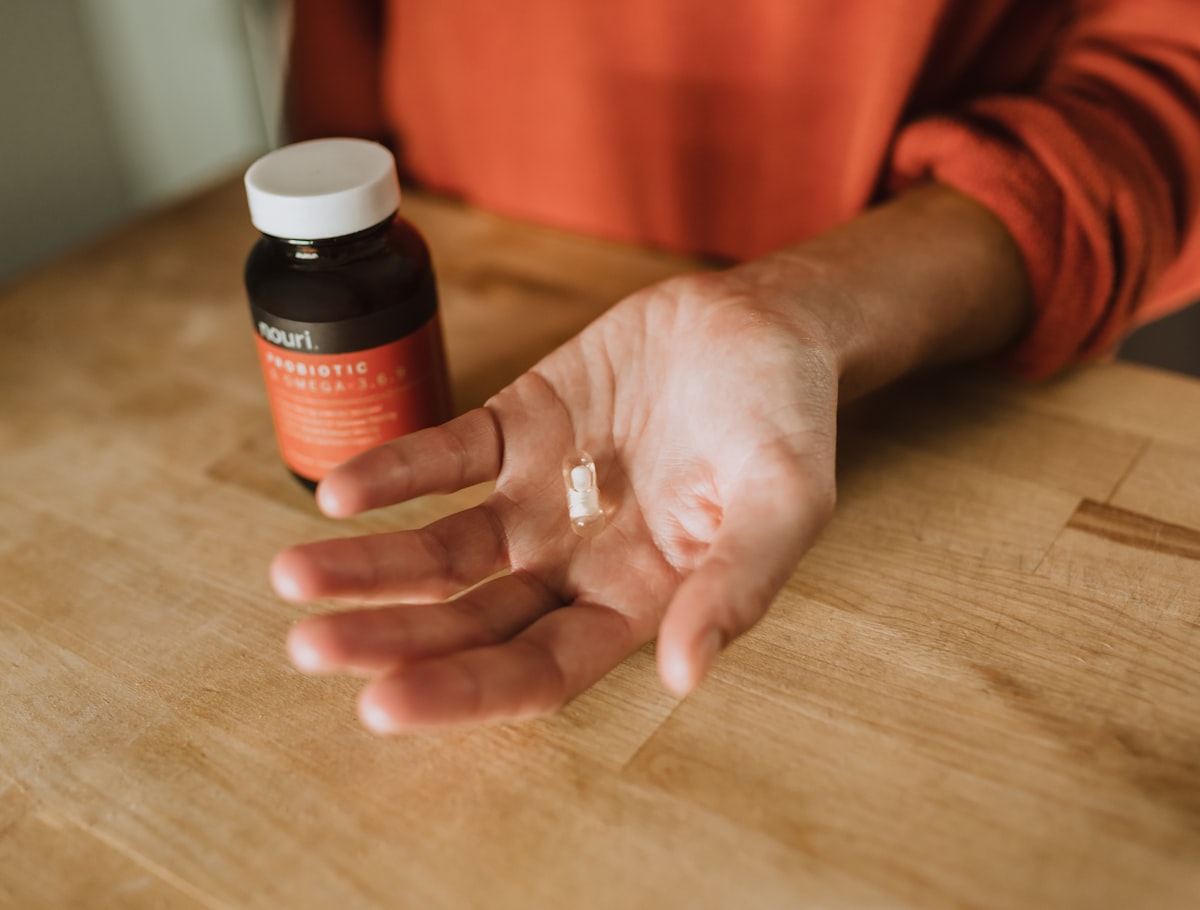
If you've searched for perimenopause relief, you've likely encountered dozens of supplement recommendations. Some are backed by meaningful research. Many are not. And the marketing around most of them makes it difficult to know the difference.
This article breaks down the most commonly discussed supplements for perimenopause symptoms, what the evidence actually shows, and, where the research is strong enough, specific products worth considering. For foundational information about the menopausal transition, the Office on Women's Health menopause resource is a trusted starting point. For a broader look at the research landscape, see our companion article: Do Perimenopause Supplements Actually Work?
How to Evaluate Supplement Evidence
Before diving into specific supplements, it helps to understand what "evidence" actually means in this context. Not all studies carry the same weight. A randomized, double-blind, placebo-controlled trial (RCT) is the gold standard. In these studies, participants are randomly assigned to receive either the supplement or a placebo, and neither the participants nor the researchers know who got what until the study ends. This design minimizes bias and produces the most reliable results.
When we say a supplement has "strong evidence," we mean there are multiple well-designed RCTs, ideally confirmed by systematic reviews or meta-analyses (studies that pool results from many trials), showing a consistent benefit. Vitamin D for bone health is a good example. Dozens of high-quality trials over several decades support this use.
When we say "moderate evidence," we mean there are several RCTs showing benefit, but the studies may be small, or the results may not be perfectly consistent across all trials. Magnesium for sleep quality falls into this category. The research is encouraging but not yet definitive.
"Mixed" or "limited evidence" means the research is genuinely conflicting. Some trials show benefit while others show no difference from placebo. Black cohosh for hot flashes is the classic example. It is also worth noting that supplement research faces inherent challenges: funding is often limited compared to pharmaceutical trials, standardization of herbal extracts varies between products, and study populations may not always reflect the specific demographic of perimenopausal women.
With that framework in mind, here is what the research says about the most commonly discussed perimenopause supplements.
Magnesium
Magnesium is one of the most broadly useful supplements during perimenopause, and one of the few where the evidence is fairly consistent. It plays a role in over 300 enzymatic processes in the body, including those involved in sleep regulation, mood, muscle function, and nervous system balance.
Many women in perimenopause are already mildly deficient in magnesium, which can amplify symptoms like insomnia, anxiety, muscle cramps, and headaches. National dietary surveys suggest that roughly half of U.S. adults consume less than the estimated average requirement for magnesium, and this shortfall tends to increase with age. Supplementing can help address this gap.
What the research shows: Moderate evidence supports magnesium for improving sleep quality, reducing anxiety, and easing muscle cramps. A 2012 double-blind, placebo-controlled trial in the Journal of Research in Medical Sciences found that 500mg of magnesium daily for eight weeks significantly improved subjective sleep quality, sleep time, and sleep onset latency compared to placebo. A 2017 systematic review published in Nutrients examined 18 studies and concluded that magnesium supplementation may have a beneficial effect on subjective anxiety, particularly in individuals who are already magnesium-deficient.
Dosing and bioavailability: The form of magnesium you choose matters significantly. Magnesium glycinate (also called magnesium bisglycinate) is chelated with the amino acid glycine, which improves intestinal absorption and makes it gentler on the stomach. It is the most commonly recommended form for sleep and mood support. Magnesium oxide, by contrast, is inexpensive but has low bioavailability (as little as 4% in some studies) and is more likely to cause loose stools. Magnesium citrate falls in between and is a reasonable alternative if glycinate is unavailable. Magnesium threonate (Magtein) is sometimes marketed for cognitive benefits, though the research on this form is still early. A typical effective dose ranges from 200mg to 400mg of elemental magnesium per day, taken in the evening.
Interactions to know about: Magnesium can reduce the absorption of certain antibiotics (tetracyclines and fluoroquinolones), bisphosphonates (used for osteoporosis), and some thyroid medications like levothyroxine. If you take any of these, separate your magnesium dose by at least two hours. High doses above 400mg per day may cause digestive discomfort in some people.
Our Pick
Pure Encapsulations Magnesium Glycinate
120mg per capsule. Third-party tested, hypoallergenic, and free from common additives. Glycinate form is gentle on the stomach and well-suited for evening use.
Vitamin D
Vitamin D is essential for bone health, immune function, and mood regulation, all of which can be affected during perimenopause. Declining estrogen levels reduce your body's ability to absorb calcium efficiently, making adequate vitamin D even more important during this transition. Your skin also becomes less efficient at synthesizing vitamin D from sunlight as you age, and many women spend most of their days indoors, compounding the risk of insufficiency.
What the research shows: Strong evidence supports vitamin D supplementation for bone health, particularly when combined with calcium. The Women's Health Initiative and multiple meta-analyses have confirmed that adequate vitamin D status helps reduce the risk of osteoporotic fractures. A 2014 Cochrane review found that vitamin D combined with calcium reduced hip fracture risk by about 16%. There is also moderate evidence for its role in supporting mood and reducing fatigue. A 2013 meta-analysis in the British Journal of Psychiatry found a significant association between low vitamin D levels and depression, though intervention trials have produced mixed results.
Dosing and testing: Vitamin D needs vary widely from person to person. The Endocrine Society recommends maintaining a serum 25-hydroxyvitamin D level of at least 30 ng/mL, and many functional practitioners aim for 40 to 60 ng/mL. The only way to know your level is through a simple blood test (25-OH vitamin D), which you can request from your primary care provider. A daily dose of 1,000 to 2,000 IU is sufficient for general maintenance in many women, but those with documented deficiency may need 4,000 to 5,000 IU or more under medical supervision. Vitamin D3 (cholecalciferol) is the preferred form, as it raises and maintains blood levels more effectively than D2 (ergocalciferol). Taking it with a meal that contains fat improves absorption.
Interactions to know about: Vitamin D is fat-soluble, meaning it can accumulate in the body if taken at excessively high doses over long periods. Toxicity is rare at standard supplementation levels but can occur above 10,000 IU per day over many months. Vitamin D may interact with certain medications, including steroids, some cholesterol drugs, and thiazide diuretics. If you take any of these, discuss supplementation with your healthcare provider.
Our Pick
NatureWise Vitamin D3 2000 IU
Easy-to-take softgel with organic olive oil for absorption. Third-party tested. A solid daily maintenance dose for most women, though your provider may recommend more based on your levels.
What to Ask Your Doctor About HRT
Considering hormone therapy? This free guide covers what to ask, what to expect, and how to evaluate whether it's right for you.
Free PDF, delivered instantly. No spam.
Black Cohosh
Black cohosh (Actaea racemosa) is one of the most studied herbal remedies for menopausal symptoms, particularly hot flashes. It has a long history of use in traditional medicine, and you'll find it in many perimenopause supplement blends.
What the research shows: The evidence is genuinely mixed. A 2012 Cochrane review examined 16 randomized controlled trials and concluded that there was insufficient evidence to support or refute the efficacy of black cohosh for menopausal symptoms. Some individual trials, particularly those using the standardized Remifemin extract, showed modest improvements in hot flash frequency and severity compared to placebo. A 2010 trial published in Menopause observed approximately a 26% greater reduction in hot flash scores in women taking standardized black cohosh extract compared to placebo. Black cohosh is not FDA-approved or evaluated for menopausal symptoms. However, other well-designed trials found no significant benefit. The German Commission E (a regulatory body for herbal medicines) has approved black cohosh for menopausal complaints, but the mechanism of action isn't fully understood. Earlier theories that it acted as a phytoestrogen have largely been set aside; current thinking suggests it may influence serotonin receptors or other neurotransmitter pathways.
Dosing considerations: Most clinical trials have used 20mg to 40mg per day of a standardized extract (typically standardized to triterpene glycosides). Effects, when they occur, usually become noticeable after four to eight weeks of consistent use. The North American Menopause Society suggests limiting use to six months, though some practitioners are comfortable with longer use when liver function is monitored.
Safety and interactions: Rare cases of liver toxicity have been reported in association with black cohosh use, though a direct causal link has not been definitively established. Women with existing liver disease or those taking hepatotoxic medications should avoid it. Black cohosh may also interact with medications metabolized by the liver's cytochrome P450 system. Let your healthcare provider know you're taking it, especially if you are on any prescription medications.
Worth Trying
Remifemin Black Cohosh Tablets
Standardized extract used in several clinical studies. One of the most-researched branded black cohosh supplements available. Hormone-free.
Ashwagandha
Ashwagandha (Withania somnifera) is an adaptogenic herb that has gained significant popularity for stress and anxiety relief. During perimenopause, when cortisol patterns can become dysregulated and stress tolerance may decrease, it's a supplement many women explore.
What the research shows: Several studies show that ashwagandha root extract can reduce cortisol levels and improve self-reported stress and anxiety. A landmark 2012 randomized, double-blind trial in the Indian Journal of Psychological Medicine found that participants taking 300mg of KSM-66 ashwagandha root extract twice daily experienced a 44% reduction in perceived stress scores after 60 days, compared to a 5.5% reduction in the placebo group. Serum cortisol levels dropped by 27.9% in the ashwagandha group. A 2019 trial published in Medicine confirmed these stress-reduction findings and also found improvements in sleep quality. The evidence for direct effects on perimenopause symptoms specifically is limited, but because heightened stress and poor sleep can intensify hot flashes, mood changes, and other perimenopause symptoms, ashwagandha's stress-modulating properties may provide meaningful indirect benefit.
Dosing and forms: Most positive clinical trials have used 300mg to 600mg per day of a standardized root extract. KSM-66 is the most widely studied branded extract and is produced using a process that extracts only from the root (not the leaves, which have a different chemical profile). Sensoril is another well-researched extract that uses both root and leaf. Both are reasonable choices. Full-spectrum root powder (non-extracted) requires higher doses and may be less predictable in its effects.
Interactions and cautions: Ashwagandha may enhance the effects of sedative medications and should be used cautiously alongside benzodiazepines or other sleep aids. Because it may have mild thyroid-stimulating effects, women with hyperthyroidism or those taking thyroid medication should consult their provider before starting it. It is generally well tolerated, but occasional side effects include digestive upset and drowsiness.
Our Pick
KSM-66 Ashwagandha by Jarrow Formulas
300mg of KSM-66 root extract per capsule, which is the most clinically studied form. Good for stress, sleep quality, and general resilience.
Omega-3 Fatty Acids
Omega-3 fatty acids (EPA and DHA) play important roles in brain function, mood regulation, and reducing systemic inflammation, all of which are relevant to the perimenopause experience. Many Western diets are low in omega-3s relative to omega-6 fatty acids, and this imbalance may contribute to increased inflammation and mood instability. Supplementation is a reasonable consideration for most women in this stage.
What the research shows: Strong evidence supports omega-3 supplementation for cardiovascular health and anti-inflammatory benefits. The American Heart Association recommends omega-3s for heart health, and multiple large-scale trials have demonstrated their role in reducing triglycerides and supporting cardiovascular function. For mood support, a 2014 meta-analysis in Comprehensive Psychiatry found that omega-3 supplementation, particularly formulations with higher EPA content, had a significant beneficial effect on depressive symptoms. An EPA-to-DHA ratio of at least 2:1 appears to be most effective for mood. Some studies suggest omega-3s may modestly reduce hot flash frequency. A 2009 trial in Menopause found a reduction in hot flash frequency of about 55% in the omega-3 group compared to 25% in the placebo group, but other trials have not replicated this finding consistently.
Dosing and quality: For general health, most experts recommend 1,000mg to 2,000mg of combined EPA and DHA per day. For mood support specifically, research suggests that at least 1,000mg of EPA per day may be needed. Look for products that list the EPA and DHA content separately on the label rather than just "total fish oil," since much of the oil in a standard capsule may be non-omega-3 fats. Triglyceride-form fish oil is better absorbed than ethyl ester form. Products that are third-party tested for heavy metals and oxidation (rancidity) are important, as contaminated or oxidized fish oil can do more harm than good.
Interactions and considerations: Omega-3s have a mild blood-thinning effect. If you take anticoagulant medications like warfarin or are scheduled for surgery, discuss supplementation with your provider. High doses (above 3,000mg per day of EPA plus DHA) should only be taken under medical supervision. Fish oil can cause mild digestive side effects in some people; taking it with food and choosing enteric-coated or lemon-flavored products can help.
Our Pick
Nordic Naturals Ultimate Omega
1280mg total omega-3s per serving with high EPA content. Third-party tested for purity. Lemon-flavored to minimize fishy aftertaste.
Supplement Quality: Why It Matters
Unlike prescription medications, dietary supplements in the United States are not required to undergo FDA approval before reaching store shelves. The FDA regulates supplements under the Dietary Supplement Health and Education Act (DSHEA) of 1994, which places the burden of proof for safety on the FDA rather than the manufacturer. This means a supplement can be sold without proving it works, and without confirming that the label accurately reflects what is in the bottle.
Independent testing organizations help fill this gap. The three most widely recognized certifications are:
- USP (United States Pharmacopeia): Verifies that the product contains the ingredients listed on the label in the declared amounts, does not contain harmful levels of contaminants, and will dissolve properly in the body.
- NSF International: Tests for contaminant levels, verifies label accuracy, and audits manufacturing facilities. NSF Certified for Sport is the gold standard for athletes, but their general certification is valuable for anyone.
- ConsumerLab: An independent testing service that purchases products off the shelf and tests them for identity, potency, and contamination. Their reports are available to subscribers.
When choosing a supplement, look for one of these certifications on the label or the manufacturer's website. Products from companies like Pure Encapsulations, Nordic Naturals, and Thorne consistently perform well in independent testing. This does not mean uncertified products are necessarily bad, but certification gives you a layer of accountability that is otherwise absent.
Quick Comparison
| Supplement | Best For | Typical Dose | |
|---|---|---|---|
| Magnesium Glycinate | Sleep, anxiety, muscle cramps | 200 to 400mg/day | View |
| Vitamin D3 | Bone health, mood, fatigue | 1000 to 4000 IU/day | View |
| Black Cohosh | Hot flashes | 20 to 40mg/day | View |
| Ashwagandha (KSM-66) | Stress, anxiety, sleep | 300 to 600mg/day | View |
| Omega-3 (EPA/DHA) | Mood, inflammation, heart health | 1000 to 2000mg/day | View |
Realistic Expectations: What Supplements Can and Cannot Do
It is important to be honest about the role supplements play in managing perimenopause. They can fill nutritional gaps, support your body's stress response, improve sleep quality, and contribute to long-term health. For many women, they provide a noticeable improvement in day-to-day quality of life.
However, supplements are not a replacement for hormone replacement therapy (HRT) when it comes to managing moderate to severe perimenopause symptoms. Estrogen decline is the root cause of most perimenopause symptoms, and HRT is the most effective treatment for addressing that decline directly. The North American Menopause Society, the Endocrine Society, and the British Menopause Society all consider HRT the first-line treatment for bothersome vasomotor symptoms (hot flashes and night sweats) and for preventing bone loss in at-risk women.
Supplements work best as a complement to other approaches, not as a substitute. A woman who combines targeted supplementation with good sleep habits, regular physical activity, stress management, and appropriate medical care when needed will generally get the best results. If your symptoms are significantly affecting your daily life and supplements alone are not providing sufficient relief, that is a sign to have a conversation with a menopause-informed healthcare provider about the full range of treatment options available to you.
For a deeper dive into the evidence behind supplements, including what we know and what the marketing overstates, see our full analysis: Do Perimenopause Supplements Actually Work?
The Bottom Line
Supplements can be a meaningful part of managing perimenopause symptoms, but they work best when you have realistic expectations and when they're part of a broader approach that includes sleep, movement, and stress management, and medical care when needed.
The supplements with the strongest evidence during perimenopause are vitamin D (for bone health and mood), omega-3s (for inflammation and mood), and magnesium (for sleep and anxiety). Black cohosh and ashwagandha have more limited but promising evidence. None of them are a substitute for medical treatment, but several can meaningfully contribute to feeling better.
As always, talk to your healthcare provider before starting any new supplement, particularly if you're taking other medications or have underlying health conditions.